
Check the Rules Before Choosing a Blackjack Table
 Available in US
Table conditions vary, and natural blackjack payouts, deck count, soft 17 and surrender can all affect how a game is played.
What Makes a Blackjack Table Worth a Closer Look?
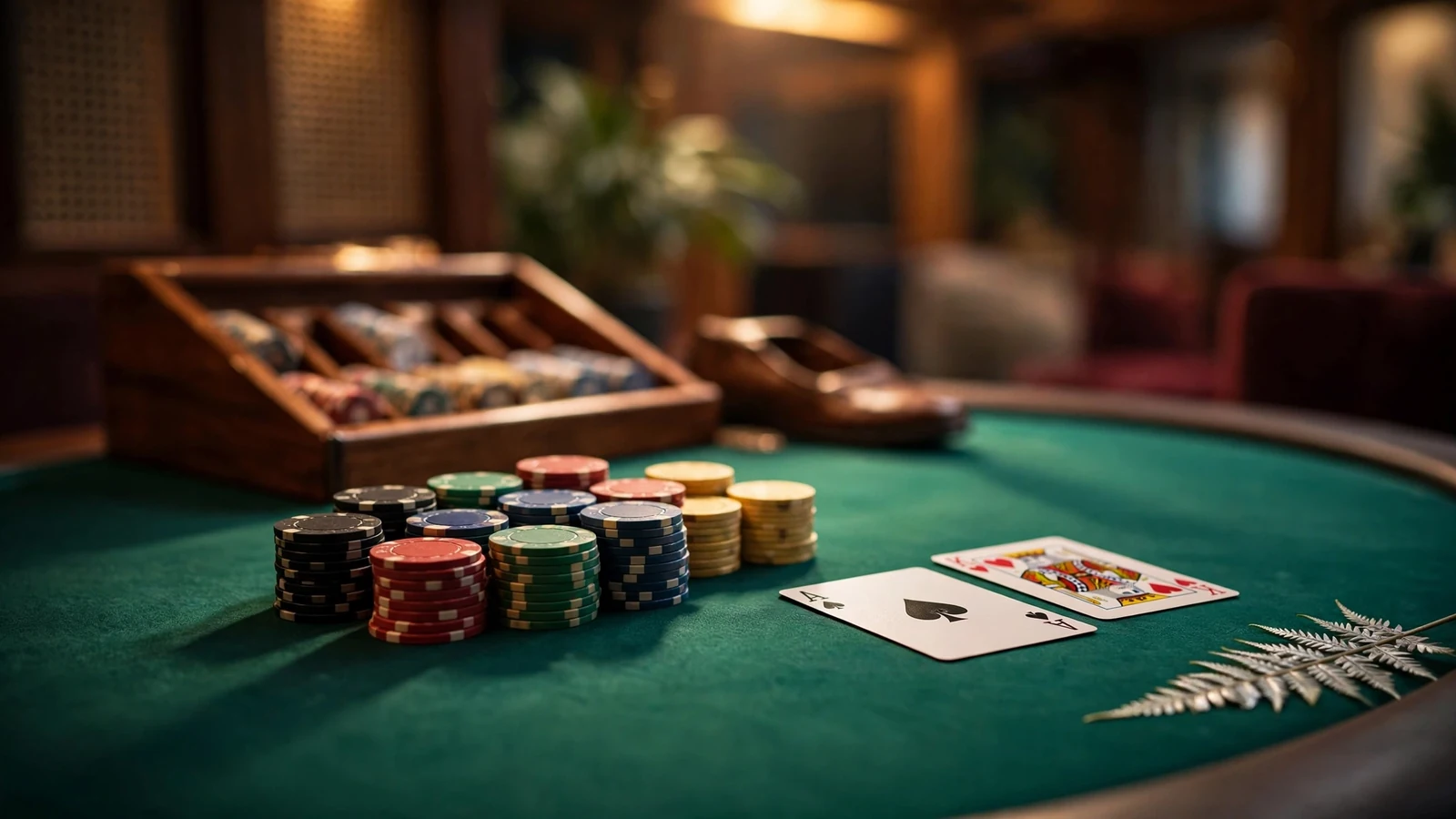
When I compare blackjack tables, I try not to let a polished game screen or a “premium” label do the thinking for me. The useful details are usually in the rules panel, paytable or table information—not in the sales pitch. A table is worth a closer look when its terms are clear and suit the way you want to play. That is a better starting point than searching for a single best blackjack casino and assuming every table it offers is equally appealing.
Start with the payout for a natural blackjack. A specialist review I checked describes tables where a natural pays 3:2 and others where it pays 6:5. Those are not interchangeable terms: the payout changes what you receive for the same result. I would check the paytable itself rather than treating one figure as a universal standard. If the payout is hard to find, that is a reason to pause—not a reason to guess.
Then look at the rules that sit around that payout. A specialist review also notes that games can differ in deck count, whether the dealer draws on soft 17, whether surrender is available, and how blackjacks pay. These details can change the conditions of a table, even when the game looks familiar. I used to focus on the cards and ignore the small print. That was backwards.
Choosing a blackjack casino in New Zealand means weighing what is verifiably known about each operator. Use these notes as a starting point when deciding which options to explore further.
-
BitStarz
- License
- Curaçao Gaming Authority, licence no. OGL/2024/165/0185
BitStarz lists a Curaçao Gaming Authority licence, number OGL/2024/165/0185. You can use this licence detail as a concrete point to check when assessing the casino.
-
Neospin
- License
- Tobique Gaming Commission, licence no. 0000064
Neospin lists a Tobique Gaming Commission licence, number 0000064. This gives you a specific licensing detail to consider.
-
Lamabet
- Payout speed
- 1-3 business days
Lamabet lists payout speed of 1–3 business days. You can factor that stated timeframe into your review.
-
Ricky Casino
- License
- Tobique Gaming Commission, licence no. 0000002
Ricky Casino lists a Tobique Gaming Commission licence, number 0000002. You can check this licensing information as part of your assessment.
-
7Bit Casino
- License
- Tobique Gaming Commission, licence no. 0000091
7Bit Casino lists a Tobique Gaming Commission licence, number 0000091. That licence detail gives you a concrete point to verify.
-
Play Grand
- License
- Malta Gaming Authority, licence no. MGA/B2C/370/2017
Play Grand lists a Malta Gaming Authority licence, number MGA/B2C/370/2017. You can consider this stated licence when exploring the operator.
-
N1 Casino
- License
- Malta Gaming Authority, licence no. MGA/B2C/394/2017
N1 Casino lists a Malta Gaming Authority licence, number MGA/B2C/394/2017. This provides you with a specific licensing detail to review.
-
Wintino
- Payout speed
- 1-3 business days
Wintino lists payout speed of 1–3 business days. You can take this stated timeframe into account when considering the operator.
-
Zotabet
- License
- 07017519840
- Payout speed
- 1-3 business days
Zotabet lists the identifier 07017519840 and a payout speed of 1–3 business days. You can use these stated details as points to check in your research.
The aim here is not to memorise every variation before you sit down. It is to check whether the details are visible and understandable. If the game information is vague, or the rules appear to change between tables without a clear explanation, you have little basis for comparing them. I would rather spend a moment reading the rules than discover a condition after starting a hand.
Compare the whole table, not one headline
A favourable-sounding payout is only one part of the comparison. Check the payout alongside the other listed rules, because one appealing feature does not tell you how the rest of the game works. Likewise, a familiar table name does not guarantee familiar conditions. Variants can differ, so read the information for the particular table you have opened.
The number of decks is another item to note when the game provides it. You do not need to turn it into a complicated calculation; just avoid assuming that two tables share the same setup. The same goes for the dealer’s soft-17 rule and surrender availability. These are concrete terms, not decorative details. If you cannot find them, do not fill the gaps with what you remember from another game.

I also check how the table presents its rules before making any decision about playing. Can you open the information without leaving the game? Is the payout clearly stated? Are the available rules explained in plain language? These checks do not tell you that a table is “best,” but they help you avoid choosing on appearance alone.
Practical details still matter
A table can have rules you understand and still be a poor fit for your circumstances. Think about whether you want a slower, more considered session or whether the pace would make you rush. Set a budget before playing, and do not increase it to chase losses. That is advice I learned the expensive way: a table’s terms do not make a losing run easier to recover from.
If a bonus is involved, read its conditions before you use it. Blackjack may count differently towards wagering requirements, and maximum bet rules can apply while wagering. A bonus headline cannot tell you those details. Check the fine print on the casino’s terms and on trustworthy information sites, and skip the offer if you cannot work out what it requires.
For someone comparing blackjack casinos in New Zealand, the same approach applies: assess the individual game rather than assuming an entire casino has one consistent set of blackjack terms. The label “best” is not a rule, a payout or a guarantee of suitability. It is just a claim until you can see what the table actually offers.
- Find the natural-blackjack payout
- Review the listed rules
- Verify the information is clear
My short checklist is simple: find the natural-blackjack payout, review the listed rules, and make sure the information is clear before you play. If those points are missing, I move on. No table deserves a free pass because it looks impressive.
Blackjack in New Zealand: The Regulatory Picture
When you look into blackjack offered online to people in New Zealand, it helps to separate two things: who oversees gambling here, and what stage the online casino licensing system has reached. Those are not the same question. A familiar-looking website, or a table labelled for New Zealand players, does not by itself tell you whether the operator holds a New Zealand licence.
The Department of Internal Affairs is the country’s primary gambling regulator. It oversees the framework for licensing online casinos, while the Gambling Commission has the formal role in licensing decisions: it considers and determines casino licence applications, issues licences and approves changes to licence conditions. In plain terms, the department supervises the framework; the Commission makes the licensing calls.
That distinction is worth keeping in mind. It is easy to see the name of a regulator and assume it approves every gambling website that a New Zealand resident can reach. But accessibility and local licensing are different matters. A website may be available from New Zealand without being licensed here.

A new framework, still in transition
The Online Casino Gambling Act 2026 created New Zealand’s first domestic licensing system for online casino gambling. It took effect on 1 May 2026, but the change is being phased in rather than completed all at once. The transition runs from that date through 1 December 2026, and online casinos that were already serving New Zealand customers before the Act began may continue during this period under its transitional provisions.
That permission is not the same as a permanent licence. The full licensing regime is not expected to be operating until 2027. Providers that have not applied for a licence must stop conducting online casino gambling in New Zealand by 1 December 2026; if a provider’s application is refused, it must cease those operations and leave the market. Unlicensed operation is expected to become an offence around mid-2027.
So the practical picture depends on timing. A provider operating during the transition may be doing so under transitional rules, while the final licensing system is still being put in place. Later, the rules will turn on whether it has applied and, ultimately, whether it receives a licence. I would not treat a site’s continued availability as proof of its long-term status.
What the earlier arrangement meant
Before the new Act, the Gambling Act 2003 did not permit online casinos to be based in New Zealand. Online casino gambling supplied from overseas was not licensed or supervised by a New Zealand regulator during that period. A customer who had a problem with an offshore website therefore had no domestic government recourse through a New Zealand online casino licensing system.
The law’s position on customers is separate from the position on providers. Offshore websites can be accessible to people in New Zealand, and a player does not face a fine or criminal prosecution simply for using one without a local licence. That does not mean the service is locally regulated or that the customer has the same domestic protections that a New Zealand licence would provide. Those are separate issues, and muddling them can give a false sense of security.
The transitional arrangement also matters for advertising. During this period, providers are prohibited from advertising online casino gambling to people in New Zealand. That restriction is about promotion; it does not change the fact that some providers already serving the market may continue temporarily under the Act’s transition provisions. Licensed operators may advertise under tight rules once the relevant regime applies, but sponsorships are prohibited.
What licensing changes for oversight
A domestic licence creates a route for New Zealand authorities to assess and supervise online casino providers under local rules. It also gives the Gambling Commission a defined part in deciding applications and changes to licence conditions, with the Department of Internal Affairs overseeing the broader framework. The point is not that a licence guarantees a perfect experience. It is that local oversight gives the regulator a formal role that was absent for overseas online casino services before the new Act.
The transition has compliance consequences for providers. Operators without a licence may face enforcement action and fines of up to NZ$5 million. Providers that do not apply by the transition deadline must cease operating in New Zealand, and a declined application means they must exit the market. Licensed operators must also use stricter age and identity checks. Those requirements are aimed at operators, not a new criminal penalty for customers.

For someone comparing online blackjack, the useful takeaway is modest: understand whether a provider is in the transition period or operating under the completed licensing regime, and do not confuse a regulator’s name on a page with a licence decision. Rules are changing. That matters.
Can You Actually Win at Casino Blackjack?
Yes, you can win a hand, and you can leave a session ahead. Neither outcome means you have found a reliable way to make blackjack pay. The game is played against the dealer: your aim is to finish closer to 21 than the dealer without going over. The dealer’s hand matters as much as yours, and a decision that feels sensible can still end badly.
That distinction took me a while to accept. I used to treat a win as proof that I had read the situation correctly, then blame bad luck when the same kind of decision lost next time. A single result cannot tell you that. You can make a reasonable choice and lose; you can make a poor one and get away with it. Blackjack leaves room for decisions, but it does not give you control over the outcome.
What you can control
During a hand, you can hit, stand, double down or split, subject to the table’s rules. Those choices shape how you play the hand; they do not turn it into a sure thing. Hitting asks for another card. Standing ends your turn. Doubling down and splitting change how you proceed, but neither is a magic button for a win.
Do
- Understand the available choices
- Set a budget before playing
- Treat your budget as the cost of playing
Don't
- Search for a clever system over table rules
- Use a betting pattern to make a losing hand safe
- Chase losses to recover your starting point
When I was new, I focused on finding a clever system and paid less attention to what the table actually let me do. That was backwards. You need to understand the available choices before deciding what to do with a hand. There is no universal move that guarantees a win in every situation, and a betting pattern cannot make a losing hand safe.
“Easy money” is an advertising phrase, not a description of what happens at the table. A run of wins can feel like momentum, but it does not promise that the next hand will go the same way. Likewise, losing several hands does not mean a win is due. Chasing that imagined turnaround is one of the quickest ways to lose sight of how much you meant to spend.
Set a budget before you start, and treat it as the cost of playing rather than money you are certain to recover. If you reach it, stop. I have made the mistake of continuing because I wanted to get back to where I started; the urge feels like a plan, but it is just a loss trying to recruit another one. Don’t chase it.
Big wins and the story around them
People are naturally drawn to stories about the biggest blackjack win, especially when the story makes a dramatic result sound repeatable. A large win is an outcome, not a method. It does not show that a particular betting system works, or that another player can reproduce the same result. The same applies to a memorable losing streak: it says little about what the next hand will bring.
If you are looking for how to win at casino blackjack, a more honest answer is that you can make decisions, but you cannot guarantee the result. Learn what the choices mean, keep your spending within the limit you set and be willing to walk away without turning the session into a recovery mission. That may sound less exciting than a secret strategy. It is also less likely to tempt you into treating a gamble as income.
Avoid insurance as a bet if you are approaching the game as most players do. It can look like a cautious way to protect yourself, but adding a side decision does not make the main hand certain to win. Betting systems have a similar problem: changing how much you wager does not change the cards or guarantee that you will come out ahead. No system can promise a winning session.
Bitcoin does not change the game
A bitcoin casino blackjack game may appeal to someone who prefers to use cryptocurrency, but the payment method does not alter the central contest: your hand against the dealer’s, with the aim of getting closer to 21 without going over. Bitcoin is not a blackjack strategy, and using it does not make a win more likely.
Before using any casino, check its fine print and bonus conditions on trustworthy sites as well as the casino’s own terms. A promotion can come with wagering requirements, and blackjack may count differently toward them. Maximum-bet rules can also apply while you are meeting those requirements. If you do not understand the conditions, skip the offer rather than assuming the headline tells the whole story.
I learned to separate three things that are easy to blur together: choosing a move, deciding how much to spend, and hoping for a result. You can make the first two choices deliberately. The third remains uncertain. Keeping that in mind will not make you win every hand, but it can stop one loss—or one exciting win—from talking you into decisions you did not mean to make.
Electronic or Live-Dealer Blackjack?
The main difference is what happens behind the screen. With electronic blackjack, software shuffles the cards and deals the game. In a live-dealer version, a person deals actual cards while the table is streamed to you. Both put blackjack on a screen, but the pace and feel are not the same.
Electronic blackjack suits you if you want a quicker, more direct session. There is no live stream to wait for, so play can move faster. That can be handy when you want to make a decision and see the next hand without the pauses of a broadcast. It can also make it easier to lose track of time. I’ve mistaken “quick” for “harmless” before. It isn’t.

Live-dealer blackjack brings a physical table into the game: the cards are real, and you watch the dealer handle them through a stream. For some players, seeing the deal makes the experience feel closer to sitting at a casino table than watching software present each hand. But a stream is still a stream. It can lag, and that delay may interrupt the rhythm, particularly if you’re used to faster electronic play.
There is a practical trade-off, too: live games may require higher bets. Check the table terms before joining rather than assuming the amount you are comfortable playing will be accepted there. Electronic options may be a better fit if you prefer to control the pace and avoid that particular live-table requirement. Neither format is automatically the better choice; it depends on what you value and what the game asks of you.
When people look for a good blackjack venue, the label alone does not tell them which format they will find or whether it suits their plans. “Live” sounds like a selling point, but what it really means here is a streamed game with an actual dealer and cards. “Electronic” means software handles the shuffle and the game can move faster. Those are useful distinctions, not a verdict on quality.
Before playing for real money, read the table information and the fine print on any offer. Bonus conditions can affect how blackjack contributes to wagering requirements, and maximum-bet rules may apply while wagering. Those details can matter more than the format if you are trying to understand what an offer permits. If the terms are unclear, don’t treat the headline as the whole deal.
I’d choose based on the pace I can comfortably follow, not on which format sounds more impressive. Decide what you are willing to spend before starting, and stop when you reach that budget; don’t chase losses by switching to a faster game or a live table. A different screen does not change the uncertainty of the outcome.
Electronic Blackjack
Software shuffles and deals. It offers a quicker pace and direct session.
Live-Dealer Blackjack
A person deals real cards via stream. It feels closer to a physical table but may have lags and higher bets.
Electronic blackjack is the straightforward option when speed matters. Live dealer is the more table-like option, with streaming delay and potentially higher bets to consider. Check the details first. No glamour required.
High-Stakes Blackjack: Check the Table Before You Sit Down
A high-stakes label can sound like a shortcut to a more serious game. I’d treat it as a prompt to inspect the terms, not as proof that a table is right for you. In live-dealer blackjack, real cards are used, but the stream can lag and some games may require higher bets. That can change the practical experience before a hand is even dealt.
Check the table’s stated betting conditions before joining. Make sure the required stake fits the budget you set for gambling, rather than stretching that budget to qualify for a particular table. A higher entry point is not evidence of better value or better chances. If the terms are hard to find or unclear, I’d leave the table alone.
There is also a difference between playing with your own funds and accepting a promotion. Read the fine print and bonus conditions on trustworthy sites and casinos before playing with real money. Blackjack may contribute differently to wagering requirements, and maximum bet rules can apply while you meet them. A table that suits your normal play may not be suitable under a bonus’s conditions. Check first. No guesswork.
The live stream itself deserves a look, too. Actual cards give the game a table-based feel, but delays can interrupt the pace. If a hand seems slow or the connection is unstable, don’t let the higher stakes pressure you into rushing decisions or increasing your spend. A dramatic setting is still just a setting.
I’ve learned that “exclusive” often means “read the conditions twice.” Set a firm budget before you start, and don’t chase losses by moving to a more expensive table. If the required bets sit outside that limit, the sensible move is to choose a different way to spend your time—or stop playing.
There is no need to identify a particular venue from a high-stakes label alone. What matters is whether the game’s terms, streaming experience and required bets work for you. Check them before you sit down, and be ready to walk away.
Blackjack Rules and Payouts: The Details That Change the Game
Blackjack’s basic values are simple, but a hand can change character when an ace is involved. Number cards count at face value; jacks, queens and kings count as ten. An ace can be worth either one or eleven, depending on which value keeps the hand workable. That flexibility is useful, but it does not make an ace a guaranteed rescue.
Once you have a hand, the available actions depend on the table. You can hit to take another card or stand and keep your total. Some games let you double down, increasing your stake while taking a further card under the game’s conditions; splitting may be available when your first two cards have the same value. Surrender, where offered, lets you give up the hand under that table’s rules. The options are not identical everywhere.
That matters because blackjack variants can change the decisions that make sense and the house edge. A rule about how the dealer plays a particular hand, or whether surrender is allowed, changes the situation you are playing. I used to focus on the cards and skim the rules. Bad habit. The rules are part of the game, not small print around it.
Payouts deserve the same attention. A natural blackjack is a two-card hand, and a specialist review has described a table paying 3:2 for it while noting that some tables pay 6:5. Treat that as a detail to verify for the specific game, not as a promise about every blackjack table. A different payout changes what a winning hand returns, so two games that look alike can still treat the same result differently.
I now read the table rules before getting attached to a particular game. Check how aces are handled, which actions are available, and what the payout says for a natural. Then keep those rules in mind when comparing variants: a familiar layout does not mean an identical game. Small print, real consequences.
Playing Blackjack at a Casino in New Zealand
When you sit down to blackjack, whether at a physical table or through an online game, the basic contest is between your hand and the dealer’s. The aim is to finish nearer to 21 than the dealer without going over. That sounds simple, and the target is simple. The part I used to overlook was that every decision was about the hand in front of me, not about getting even with the table.
A blackjack hand is not a race to reach 21 at any cost. If your total goes past 21, you have gone bust, and being closer to the target no longer helps. If you stay below it, the dealer’s hand becomes the comparison. You are trying to end nearer to 21 than the dealer, not to collect the highest possible total regardless of what happens along the way.
That distinction matters when the table feels quick. I have found it easy to focus on my own cards and forget that the dealer is the opponent. A hand that looks respectable on its own does not settle the result. What counts is how it compares with the dealer’s final hand, while keeping your total within the target. No drama. Just the comparison.
If you are considering blackjack offered to players in New Zealand, this is the useful starting point: identify that you are playing against a dealer, then keep the objective clear as the hand unfolds. The country in the page title does not change the basic contest. But a familiar game can still feel different from table to table, so do not assume that knowing the aim tells you everything about a particular game.
I used to treat each hand as a little puzzle with a clever answer waiting to be found. That made losses feel personal, as if I had missed a secret. It is more grounded to see the game for what it is: you make choices within a contest against the dealer, and the goal is to finish closer to 21 without exceeding it. Keeping that in mind will not promise a result. It does stop the objective getting muddled when the cards turn against you.
Casino Blackjack, Without the Hype
The basic idea is easy to say and less easy to keep in mind when the cards are moving: blackjack is a contest between you and the dealer. Your aim is to finish closer to 21 than the dealer does, without going over. You are not trying to beat the other people at the table.
That distinction matters. I used to watch the other players as if their choices somehow changed what I needed to do. Mostly, that was a distraction. The hand that matters is yours against the dealer’s. A crowded table can make the game feel social, but the central contest stays the same.
“Simple” is the advertising word. The reality is that the objective is simple; the outcome still depends on the cards, and a hand can turn against you quickly. Getting close to 21 is not enough if you go past it. Nor does a strong-looking hand by itself tell the whole story: the dealer’s hand is the comparison that decides whether you finish closer.
I find it useful to hold on to that one sentence rather than treat blackjack as a puzzle with a secret trick. You are trying to finish nearer to 21 than the dealer, while staying at or below it. That is the whole shape of the game. No magic.
It also keeps the table’s noise in perspective. Other players may react to their cards, and the pace can make every decision feel dramatic. But their excitement does not change the objective. You are not collecting points against the room or trying to copy the loudest person there. You are playing your hand against the dealer’s.
That is why the name can make the game sound more mysterious than it is. Underneath the casino setting, the comparison is direct: your total, the dealer’s total, and whether either has gone beyond 21. If you remember that, you can follow what is happening without dressing it up as a promise of easy wins or a battle against the whole table.
I’ve found that a plain explanation is better than a grand one. Blackjack has a clear target, but clarity about the target is not control over the result. Keep those ideas separate. A close hand is still just a hand.
Blackjack Tips That Start With the Rules
My first useful blackjack habit was not a betting system. It was reading the table rules before I sat down. Two games can look nearly identical while allowing different choices or treating the same hand differently. If you skip the rules, you may be making decisions without knowing what the table permits.
Key table variations to check
Look for the number of decks, what the dealer does on soft 17, whether surrender is allowed, and how a natural blackjack pays.
Check which actions are available. You may be able to hit, stand, double down or split; surrender may also be offered, depending on the table. Don’t assume an option you used elsewhere will be there this time. A quick look at the rules can save you from making a move based on the wrong version of the game.
Details can vary too: the number of decks, what the dealer does on soft 17, whether surrender is allowed and how a natural blackjack pays. A specialist review reports these differences between games; treat any description as specific to the table it covers, not as a rule for every blackjack game. The small print matters. Really matters.
I used to focus on the cards in front of me and barely glance at the rules. That was backwards. Before playing, check the table information and make sure you understand the choices it gives you. If a rule is unclear, take the time to find its explanation rather than guessing mid-hand.
Keep your money decisions separate from the excitement of the game. Set a budget before you start, and don’t chase losses by raising your bets to try to get even. If you’re playing under a promotion, read the fine print: blackjack may count differently toward wagering requirements, and maximum-bet rules can apply while you meet them. A bonus can have conditions attached. “Extra value” can mean extra restrictions.
I’d also avoid insurance as a bet if you’re looking for a dependable edge; it is not a safe shortcut. And no tactic, including card counting, should be treated as a guaranteed route to profit. The practical tip is less dramatic: understand the table, know your limits and make decisions with the rules in front of you.
What “Casinos With Blackjack” Can Mean Online
When you come across online blackjack, the important distinction is often how the game is dealt. One version is run by software; the other is streamed from a table where a dealer handles actual cards. Both give you blackjack, but the pace and feel are different.

With RNG blackjack, software shuffles the cards and deals each hand. Play moves faster because you are not waiting for a dealer or a live stream. I find that pace can make it easy to click through hands without noticing how quickly you are playing. Faster is not automatically better. If you prefer time to think, slow yourself down rather than letting the interface set the rhythm.
Live-dealer blackjack uses real cards and a streamed dealer, which makes it feel closer to sitting at a casino table. The trade-off is that a stream can lag, interrupting the flow. Live tables may also require higher bets, so check the table terms before joining rather than assuming every game has the same entry conditions.
The choice is less about one format being universally superior and more about what suits your circumstances. If you want a quicker software game, RNG may fit. If seeing cards dealt at a physical table matters to you, live dealer may feel more natural, provided the stream and bet conditions work for you. Neither format changes the need to keep your play under control.
I used to treat a familiar-looking table as enough reason to start. That was lazy. Before playing for real money, read the fine print and any bonus conditions on trustworthy sites and casinos. A promotion can come with wagering requirements; blackjack may count differently toward them, and maximum-bet rules may apply while wagering. Those details can matter more than the headline offer.
Set a budget before you begin and do not chase losses by switching formats or raising your stakes. A faster game can mean more hands in less time, while a live stream can bring delays or different table requirements. Know which version you are opening, what its terms say, and when you are done. Simple checks. Less regret.
Casino Games in New Zealand: Roulette, Blackjack & More
Content created by the «casinoslotnz.com» team