
Learn the layout before placing real-money bets
 Available in US
A practical guide to free and live tables, bet types, zero outcomes, odds, payouts and how French roulette differs from American roulette.

Try French Roulette for Free Without Mistaking It for the Real Thing
A free French Roulette game can be useful for getting comfortable with the screen before you put anything at stake. You can look over the wheel and betting layout, practise selecting a bet and get a feel for how a round moves from placing chips to seeing a result. That’s a modest benefit, but a real one: unfamiliar buttons and a cluttered layout can make a first session more confusing than it needs to be.
I’d treat free play as a rehearsal, not a preview of how a real-money session will feel. With no money at risk, it’s easier to click casually, change your mind or keep going after a result you dislike. A losing spin in a free game costs you nothing. When your own balance is involved, the same result can feel very different—and that feeling can affect what you do next.
Free play also gives you room to explore without trying to remember everything at once. You can pause and check what you selected, notice how the game marks your bet, and work out where the controls are. If you’re new to French Roulette, that’s a sensible first use for a free online game. It can help you learn the layout. It cannot teach you how you’ll react to losing money.
French roulette can be a useful format to focus on when you’re choosing an online casino. Use this list as a reference point, and check the game and terms available to you before signing up.
-
BitStarz
- License
- Curaçao Gaming Authority, licence no. OGL/2024/165/0185
BitStarz lists a Curaçao Gaming Authority licence, number OGL/2024/165/0185. That gives you a specific licensing detail to consider when reviewing the casino.
-
Neospin
- License
- Tobique Gaming Commission, licence no. 0000064
Neospin lists a Tobique Gaming Commission licence, number 0000064. You can use that detail as part of your own checks before choosing a casino.
-
Lamabet
- Payout speed
- 1-3 business days
Lamabet’s listed payout speed is 1–3 business days. If payout timing matters to you, this is a detail to weigh alongside the casino’s other terms.
-
Ricky Casino
- License
- Tobique Gaming Commission, licence no. 0000002
Ricky Casino lists a Tobique Gaming Commission licence, number 0000002. This provides a specific licensing detail for you to review.
-
7Bit Casino
- License
- Tobique Gaming Commission, licence no. 0000091
7Bit Casino lists a Tobique Gaming Commission licence, number 0000091. You can take this information into account when considering the casino.
-
Play Grand
- License
- Malta Gaming Authority, licence no. MGA/B2C/370/2017
Play Grand lists a Malta Gaming Authority licence, number MGA/B2C/370/2017. This gives you a concrete licensing detail to check as you compare your options.
-
N1 Casino
- License
- Malta Gaming Authority, licence no. MGA/B2C/394/2017
N1 Casino lists a Malta Gaming Authority licence, number MGA/B2C/394/2017. You can use the licence information as one point of reference when assessing the casino.
-
Wintino
- Payout speed
- 1-3 business days
Wintino’s listed payout speed is 1–3 business days. This may be useful to you when reviewing payout-related details.
-
Zotabet
- License
- 07017519840
- Payout speed
- 1-3 business days
Zotabet lists the identifier 07017519840 and a payout speed of 1–3 business days. These are the specific details available for you to consider.
What a free game can—and cannot—show
The French Roulette difference is not something a no-stakes session can make emotionally real. Free play can show you the game’s displayed layout and the choices available on it, but it does not put your own money on the line. That distinction matters even if the screen looks identical to a paid version.
In a free session, you might be tempted to take risks you would avoid with real funds, or to keep playing because nothing is being spent. That can make the game seem calmer or more forgiving than it would feel when a loss affects your budget. I’ve learned not to confuse “I can follow what’s happening” with “I’m comfortable risking money.” They’re different things.
Nor can a run of free spins tell you what will happen later. Roulette spins are independent: a previous result does not change the chance of a future outcome. A string of one colour or number in a practice session is not a signal to copy when you switch to real money. It’s just a sequence of results. Nothing owed.
Use the free version to become familiar with the interface, not to test a system or prove that a particular pattern works. If you catch yourself thinking a practice run has revealed a reliable way to win, step back. Free play has no financial downside, which is exactly why it can make risky ideas feel convincing.

Don’t mistake bonus terms for free cash
A no-cost game and a promotional bonus are not the same thing. A bonus may be advertised alongside casino games, but it can come with eligibility conditions, wagering requirements, an expiry, game-contribution rules and restrictions on withdrawals. Read those terms before treating the offer as usable money.
For offers covered by these terms, bonus money must be wagered 50X within 30 days. Winnings from free spins must be wagered 50X within 7 days. A withdrawal request voids any active or pending bonuses. Those conditions can change what you can withdraw and when, so the headline word “free” is not the whole deal.
That’s where I used to get caught: I’d notice the offer first and the conditions later. Don’t make that mistake. Check whether the game contributes to the wagering requirement and what happens if you request a withdrawal before accepting or using a promotion. If the rules are hard to find or unclear, skipping the offer is simpler than guessing.
A free French Roulette game with no deposit is most useful when you keep its purpose narrow: learn where things are, take your time and see whether you understand the interface. It won’t reproduce the pressure of a real-money loss, and it won’t forecast the next spin. If you do move from practice to gambling, decide beforehand what you can afford to lose and do not go beyond it. Every real-money bet can lose.
Do
- Use free play to become familiar with the interface
- Learn where the controls and buttons are
- Use the session as a rehearsal for the layout
Don't
- Treat free play as a preview of real-money emotions
- Use practice runs to test a winning system
- Assume a pattern in free spins will repeat in real play
What French Roulette Means for Online Play in New Zealand
French Roulette uses the same single-zero wheel arrangement as European Roulette. What marks it out is not a different wheel but the rules attached to play, including La Partage and En Prison. That distinction matters when you are looking at an online table: a French label tells you something about the game’s rules, but it does not by itself tell you who operates the site or how that site fits New Zealand’s changing legal framework.
For me, the first thing to separate is the game from the service carrying it. A digital table may offer French Roulette, but the legal position depends on the operator and the rules in force in New Zealand, not on the name of the roulette variant. “French” describes the format. It is not a local licence or a sign that a New Zealand regulator has approved the particular site.
That context changed in 2026. The Online Casino Gambling Act 2026 took effect on 1 May, creating New Zealand’s first domestic licensing framework for online casino gambling. The transition is not the same as a fully operating licence system: providers that were already serving people in New Zealand before that date can continue under transitional provisions until 1 December 2026. The full licensed regime is expected to be running in 2027.
The Act’s introduction does not mean online casinos can be based in New Zealand. The Gambling Act 2003 prohibits domestic online casinos, while the new framework is about licensing online casino providers. During the transition, the position is therefore more specific than a simple “legal” or “illegal” label suggests. Existing providers may continue within the transitional window; that should not be read as a general endorsement of every site or a guarantee about a customer’s protections.
Before the new Act, online casino gambling supplied from outside New Zealand was not licensed or supervised by a New Zealand regulator. A customer who wagered with an offshore website in that period had no domestic government recourse if a dispute arose. The framework now assigns public responsibilities, but the licensing regime is still moving through its transition. I would not treat a familiar game name or a polished page as a substitute for understanding who is responsible for the service.
The Department of Internal Affairs is New Zealand’s primary gambling regulator and oversees the online casino licensing framework. The Gambling Commission has a separate role in the process: it hears and decides casino licence applications, issues online casino licences and approves changes to licence conditions. Those are institutional responsibilities, not a claim that every site currently accessible to New Zealand players already holds a local licence.
That distinction matters if you are browsing for French online roulette or a French Roulette casino. New Zealand residents can access offshore casino websites, but access alone does not establish that the operator is licensed locally. Nor does the transitional period mean that an offshore site has a New Zealand licence simply because it continues to accept customers. The new framework is intended to change oversight, while its full operation is still expected beyond the transition.
So when you see French Roulette offered online in New Zealand, read the game description and the operator’s legal status as separate questions. The single-zero wheel tells you which broad roulette format you are looking at; the special French rules define how certain bets are treated. The licensing framework tells you something else: who may provide the service under New Zealand’s developing system, and which public bodies handle that process.
Not the same thing.
Live French Roulette: Watch the Wheel, Not Just the Layout
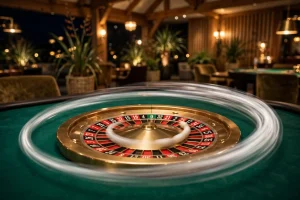
A live French roulette table can make it easy to focus on the betting grid and forget what the game is built around: a wheel, its numbered pockets and the ball’s result. I’ve made that mistake myself. The layout is where you select a wager; it is not a picture of the wheel’s number order.
That distinction matters when you’re following a live game. The wheel and the table serve different purposes. The wheel has numbers arranged around its rim. The betting layout groups numbers and bet options in a format you can use to place wagers. A number’s position on the wheel does not match its position on the table.
Read the wheel and layout as separate things
Before placing a bet, take a moment to see which part of the screen shows the wheel and which part shows the layout. If the view makes the wheel difficult to inspect, do not assume that the grid is a substitute for it. It is a betting aid, not a map of the wheel’s physical sequence.
This becomes especially useful if a game offers called bets. Those are organised by where numbers sit around the wheel, rather than by where they appear on the layout. You do not need to memorise the wheel to use the table, but mixing up the two can leave you unclear about what a selection refers to.
I find it helps to slow down before confirming anything. Check the selected number or bet on the layout, then look back at the wheel if the wager depends on wheel position. The two views answer different questions: the layout shows what you have selected; the wheel shows the number arrangement the selection may refer to.
What to check in a live game
The word “live” can sound like a promise of a particular viewing experience. In practice, check what is actually visible and readable on the game screen. Can you distinguish the wheel from the layout? Can you follow the result and see which number has been recorded? Those are more useful checks than assuming every live French roulette game presents the same way.
The word “auto” is not enough to tell you how a particular game works, either. Do not infer a specific wheel view, pace or presentation from that label alone. Read the game information and judge the interface in front of you. A French roulette online game still needs the same basic distinction between wheel positions and table positions, whatever its screen design.
- Distinguish the wheel view from the betting layout
- Confirm that the result is clearly visible and readable
- Verify the selected bet on the layout before confirming
- Check the wheel position if using called bets
On a phone, the smaller display may make it harder to keep both areas in view at once; on a desktop screen, they may be easier to compare. That is a matter of how the interface fits your screen, not a change in the meaning of the bets. If the display feels cramped, take a moment to check your selection rather than tapping through by habit.
A French roulette demo can help you get comfortable with the controls and recognise where the wheel and layout appear. It cannot reproduce the feeling of losing money you meant to keep. And whether you play on desktop or not, the screen does not change the basic uncertainty: every real-money bet can lose, and roulette results are random.
I would not treat a smooth-looking interface as evidence that a wager is safer or more predictable. The practical job is narrower: know which area you are reading, confirm what you have selected, and avoid staking more than you can afford to lose. Keep your eyes on both.
How to Play French Roulette—and What Happens When Zero Lands
French roulette is easier to follow once you separate the wheel result from the bet you placed. You choose a wager on the table layout, the ball lands in a pocket, and the result is settled according to the rules attached to that wager. The wheel uses the same single-zero layout as European roulette; the French difference that matters here is how certain bets are handled when zero appears.
Start by looking at the kind of bet you want to make. An inside bet points to a number or a small group of numbers on the layout. An outside bet covers a broader result, such as red or black, odd or even, or low or high. Those broader choices are called even-money bets because a win returns winnings equal to the stake, as well as the stake itself. “Even money” sounds like a promise of balance. It is just the payout description.
Place your stake on the corresponding part of the layout before the spin. If the result matches your selection, the bet wins; if it does not, the stake is lost. Zero is its own result, not red or black, odd or even, or part of the low-or-high groups. That is where the French rules can change what happens to an eligible outside bet.
What La Partage does
La Partage applies when zero lands and your wager is an even-money outside bet. Instead of losing the whole stake, you get half of it back; the other half is collected. It does not apply to every kind of wager. If your bet is on a particular number or another inside selection, do not assume that La Partage protects it.
I found this distinction easy to miss when I first looked at a table: the rule is not a general refund triggered by zero. It is tied to both the result and the type of bet. Check the table rules before you play, then keep track of which bets qualify. Small detail. Big difference.
La Partage
When zero lands, you get half of your even-money outside bet stake back immediately.
En Prison
The stake of an even-money outside bet is held for the next spin when zero lands.
Inside Bets
Wagers on specific numbers or small groups that are not protected by the zero rules.
What En Prison does
En Prison also concerns eligible even-money outside bets when zero lands, but it handles the stake differently. The bet is held for the next spin rather than being immediately settled as a normal win or loss. If that next result would make the original bet a winner, your original stake is returned, with no additional winnings. If the bet loses on that spin, the stake is collected.
So La Partage gives back part of the stake straight away, while En Prison carries the stake forward and waits for another result. Neither rule applies to all French roulette bets, and neither turns zero into a winning result. If you are unsure which rule a table uses, pause and read its displayed rules before placing a bet. Guessing is a poor substitute.
Learning the layout without chasing a system
To learn French bets, begin with the labels and the boundaries of the betting areas. Make sure you know whether a selection is an inside or outside bet, and whether it is one of the even-money bets covered by the zero rule. The names may look unfamiliar at first, but the practical question is simple: what result does this bet need, and what happens if zero lands?
Some players look for the best system to win French roulette. A betting pattern cannot control the result or make a losing bet impossible. Spins are random, and every real-money bet can lose. Learn the settlement rules first; do not confuse a rule that softens the effect of zero on certain bets with a way to guarantee a profit. I have made that mistake. It costs.
Only risk money you can afford to lose, and set your limit before play rather than after a run of results tempts you to keep going. French rules can change how an eligible bet is settled, but they do not change the basic need to understand your wager before you place it.
French Roulette Odds: The Edge, the Table and the Limits of Strategy
The number that matters most on a French roulette table is the house edge attached to the rules actually in use. When La Partage or En Prison applies, the stated edge on eligible even-money bets is 1.35%. That is lower than the edge on a single-zero game without those rules, but it is still an advantage for the house. It does not turn a bet into a safe one.
I used to treat a smaller edge as if it were a kind of protection. It isn’t. It describes the mathematical effect across repeated play, not what will happen during your session. You can lose a bet, or several in a row, even when you are playing under the more favourable French rules. A good-looking number on the table does not soften the sting of a real loss.
What the edge can—and cannot—tell you
The edge is useful for comparing the underlying cost of a game, provided you check which bets and rules it applies to. On French tables, La Partage can reduce the effective house edge on an eligible even-money bet when zero lands. That is a specific rule effect, not a general discount on every wager. If the rule is absent, or the bet does not qualify, you should not assume that the same figure applies.
That distinction changed how I look at strategy. I now check the table rules before I think about a plan. But no staking pattern can make the wheel favour you. Increasing a stake after a loss, changing amounts after a win or spreading bets around can alter how much you risk and how quickly your balance moves. None of those choices changes the probability of the next result.
A previous spin does not make a particular number or colour “due”. Each spin is independent: the wheel has no memory, and a run of results does not push the next one in the opposite direction. I have fallen for that story myself. It feels persuasive when you are watching a streak unfold. It is still not a prediction.
A practical approach, not a winning system
The most realistic French roulette strategy is less dramatic than the systems advertised around casino games. Know which rules apply, understand what you are staking, and decide in advance what you can afford to lose. Then stick to that limit. I don’t treat a reduced edge as a reason to stay longer or raise my stakes; that is how a favourable comparison becomes an excuse to chase.
There is no betting system that removes the house edge, and no pattern that guarantees a profit. The rules can make certain bets mathematically less costly over time, but every real-money wager can still lose. The number is a guide to the game’s long-run structure, not a promise about your night.
Keep it measured. Losses are real.
French Roulette vs American Roulette: The Extra Pocket Matters
The difference between French and American roulette is easy to spot once you look at the wheel: American Roulette has an extra pocket. That pocket changes the odds, even though both games use the familiar numbered wheel and betting layout.
French Roulette uses a single-zero wheel with 37 pockets, the same wheel size as European Roulette. American Roulette has 38: the single zero plus a double zero. That extra green pocket gives the house a larger edge. On the standard figures, it is 2.70% for the single-zero wheel and 5.26% for American Roulette.
French tables can have a lower edge when La Partage or En Prison applies to eligible even-money bets. With either rule in effect, the stated French Roulette edge is 1.35%. That advantage comes from the rules attached to the table, not from a different number layout or a clever way of placing bets. Check the rules shown for the specific game; the label “French” alone is not enough to tell you which conditions apply.
Comparison of House Edges
French Roulette with La Partage or En Prison has a stated edge of 1.35% on eligible bets. Standard single-zero wheels have an edge of 2.70%, while American Roulette's double-zero wheel increases the house edge to 5.26%.
I used to focus on the colours and the layout, as if a red bet meant much the same thing on every wheel. It doesn’t. The extra American pocket is a real mathematical difference, not decoration. And a familiar table can still have less favourable rules than you expect.
There is one qualification worth keeping clear. A specialist review describes some American roulette tables in Atlantic City as returning half the stake on even-money bets when either zero appears. That is a reported feature of some tables, not a standard American Roulette rule. Don’t assume it applies to the game in front of you.
So, when comparing French Roulette and American Roulette, separate two things: the pocket count and the table rules. The American wheel has the extra pocket and the higher standard house edge. French Roulette shares the single-zero layout with European Roulette, while its special even-money rules can lower the edge when they are in force. Neither layout makes a spin predictable. Each real-money bet can still lose, and I wouldn’t risk more than I could afford to lose.
French Roulette Payouts: What the Percentage Tells You
A payout percentage is a long-run estimate of the share of stakes returned to players across many spins. It is not the amount you should expect back from a short session, and it says nothing about what happens on your next bet. Roulette can run cold or hot for a while. Every real-money bet can still lose.
A specialist affiliate review gives American Roulette’s payout percentage as 94.70% and European Roulette’s as 97.30%. Treat those as theoretical figures tied to the games’ stated house edges, not a promise from a table. For single-zero European Roulette, the house edge is 2.70%; the corresponding payout figure is 97.30%.
For French Roulette, the relevant figure depends on whether La Partage or En Prison applies to eligible even-money bets. With those rules, the stated house edge is 1.35%, which corresponds to a theoretical return of 98.65%. That does not mean a player gets 98.65% of their money back after a handful of spins. It describes the mathematical expectation over a very large run of play.
That distinction took me a while to respect. I once saw a high return figure and read it as reassurance that a losing session would somehow correct itself. It doesn’t. The percentage is a property of the game, not a forecast for your balance.
When comparing tables, check which rules are actually in effect and which bets qualify. A headline percentage without that context can leave out the detail that matters. And if you play French Roulette for fun, the same maths applies: enjoyment does not make a bet safer, or turn a long-run average into a session result.
The house edge and payout percentage describe opposite sides of the same expectation: the smaller the edge, the higher the theoretical return. Neither measure predicts an individual outcome. Keep that in view before you play French Roulette, and don’t risk more than you can afford to lose. No percentage can soften a real loss.
French Roulette Calls: Bets by Wheel Position, Not Table Position
A French roulette call bet is defined by where numbers sit around the wheel, rather than by the way they are printed on the betting layout. That distinction is easy to miss when you are looking at a screen: the table makes numbers look like a tidy grid, while the wheel arranges them around its rim. A call bet refers to a wheel grouping.
I used to read the layout first and assume that nearby numbers on the screen must belong together. They do not necessarily share a wheel position. The layout is there to let you place chips on numbers and other betting areas; it is not a map of the wheel’s sequence. If a bet is described by a wheel section, think of the physical order around the rim, not the row or column your cursor happens to be near.
That is the useful answer to “what is French roulette?” in this context: it uses the single-zero wheel associated with European roulette, with French rules that can include La Partage. The defining feature of a call bet, though, is its grouping by wheel position. It is not simply another name for an outside bet, nor does the French label mean that every bet on the table is a call bet.
Before placing one online, read the bet label and any displayed explanation rather than inferring its coverage from the layout. If you are at a table and the wording is unfamiliar, ask the dealer to explain which wheel positions it includes before committing chips. That is a sensible question, not a “dealer tip” in the sense of advice that can improve the outcome. The arrangement of the wheel does not make a result more predictable.
There is another distinction worth keeping straight: La Partage is exclusive to French roulette, but it is a separate rule from the idea of called bets. One concerns what happens to an eligible bet when zero lands; the other concerns how a group of numbers is defined. Mixing those concepts can make a table description sound more complicated than it is.
I now pause over the wording instead of clicking a familiar-looking area. A call bet should make sense by its wheel grouping, not by visual proximity on the betting grid. If the game does not make that grouping clear, do not guess. A spin remains random, and a carefully named bet is still a bet that can lose.
French Roulette or Blackjack: Compare the Edge, Not the Hype
When people ask whether French Roulette or blackjack has the smaller edge, the honest answer is that the game name alone cannot settle it. French Roulette has a stated house edge of 1.35% when La Partage or En Prison applies to eligible even-money bets. That figure is tied to those rules; it is not a blanket rate for every bet on every French table.
That distinction is easy to miss in casino descriptions. “French rules” can sound like a general upgrade, but the advantage matters in a specific situation: an even-money outside bet when zero lands. If the table does not apply La Partage or En Prison, you should not assume the 1.35% edge applies. I learned to look for the rule itself, not just the game label. Small print matters.
Blackjack is harder to compare with a single number because its edge depends on the rules and how the player acts. I would not trust a claim that blackjack always beats roulette, or that roulette always offers the smallest edge, without checking the conditions behind it. The useful comparison is between the actual rules you can verify, not the boldest line on a casino page.
French Roulette’s strongest case is narrower and clearer: with La Partage or En Prison in force, it offers particularly favourable odds for even-money bets. That does not make every roulette wager equally favourable, and it does not turn the game into a reliable way to make money. Each spin is random. A previous result cannot tell you what comes next.
The same caution applies when looking at French Roulette casinos online. A game title or promotional description is not enough to establish which rules apply to a particular table. Read the displayed rules before staking money, and don’t risk more than you can afford to lose. Every real-money bet can lose.
I used to treat “low edge” as if it meant “low risk.” It doesn’t. The edge describes a long-run mathematical advantage for the house under stated conditions; your session can still go badly, quickly. Blackjack may suit someone who wants decisions to make, while roulette is built around the spin and the bet already placed. Neither label promises a better result.
So, if you’re comparing French Roulette with blackjack, start with the specific table rules and the type of bet you intend to make. For eligible even-money bets under La Partage or En Prison, the French Roulette edge is 1.35%. Beyond that comparison, avoid declaring a universal winner. No system removes the house edge.

French Roulette Gold Live: What You Can—and Can’t—Verify
The word “Gold” sounds like it should signal a clear difference. By itself, though, it does not tell you what changes in a game called French Roulette Gold Live. I would not assume it means a different wheel, special betting rules, extra features or better returns just from the title. Those details need to be stated in the game information.
That distinction matters because a polished name can do a lot of work in your head. I’ve caught myself treating a label as a promise, then finding that I had filled in the blanks myself. Better to separate what the title says from what the rules actually show. If the game information does not clearly explain a feature, don’t count on it.
There is one point about roulette that does not depend on the Gold label: spins are independent. A result from the previous spin does not change the probability of what can happen on the next one. A run of the same colour, a long gap between numbers, or a result that feels “due” is not a signal that the wheel is about to correct itself.
That can be easy to forget while watching results arrive one after another. I’ve looked at a recent sequence and felt certain I could see a pattern. That feeling is not evidence. The next spin remains uncertain, and a real-money bet can lose, even if your reasoning feels convincing in the moment.
So, treat French Roulette Gold Live as a named version whose specific distinction has to be confirmed in its own rules and information—not inferred from “Gold.” Whatever the label means, it cannot make past results predict future ones. If you do play, set a limit you can afford to lose and stick to it. The wheel owes you nothing.
Casino Games in New Zealand: Roulette, Blackjack & More
Content created by the «casinoslotnz.com» team